Excavator Track Rollers: The Unsung Heroes of Heavy Machinery
When we think about excavation machinery—the massive behemoths that reshape landscapes or create infrastructure—the spotlight often falls on the booms, buckets, and engines. But something just as critical quietly supports all that might: excavator track rollers. These little components bear the brunt of weight, enabling movement and stability on rough terrain. Understanding them is crucial, not just for engineers or manufacturers, but anyone invested in construction efficiency and sustainability globally.
Introduction: Why Excavator Track Rollers Matter Globally
Excavation machinery underpins billions in global infrastructure projects each year. According to the International Organization for Standardization (ISO), over 3 million units of tracked heavy equipment operate worldwide—moving earth, clearing debris, building cities. The UN's World Urbanization Prospects report highlights that global urban construction demands are expected to surge by 70% by 2050. This growth implies an ever-increasing reliance on dependable machinery components, especially excavator track rollers, which work tirelessly under extreme stresses.
Yet, a persistent challenge remains: frequent roller failures can lead to costly downtime and safety hazards, especially in disaster zones or remote industrial sites where repair resources are scarce. Addressing this issue improves machine longevity and operational efficiency, ultimately enabling critical projects to stay on track.
What Exactly Are Excavator Track Rollers?
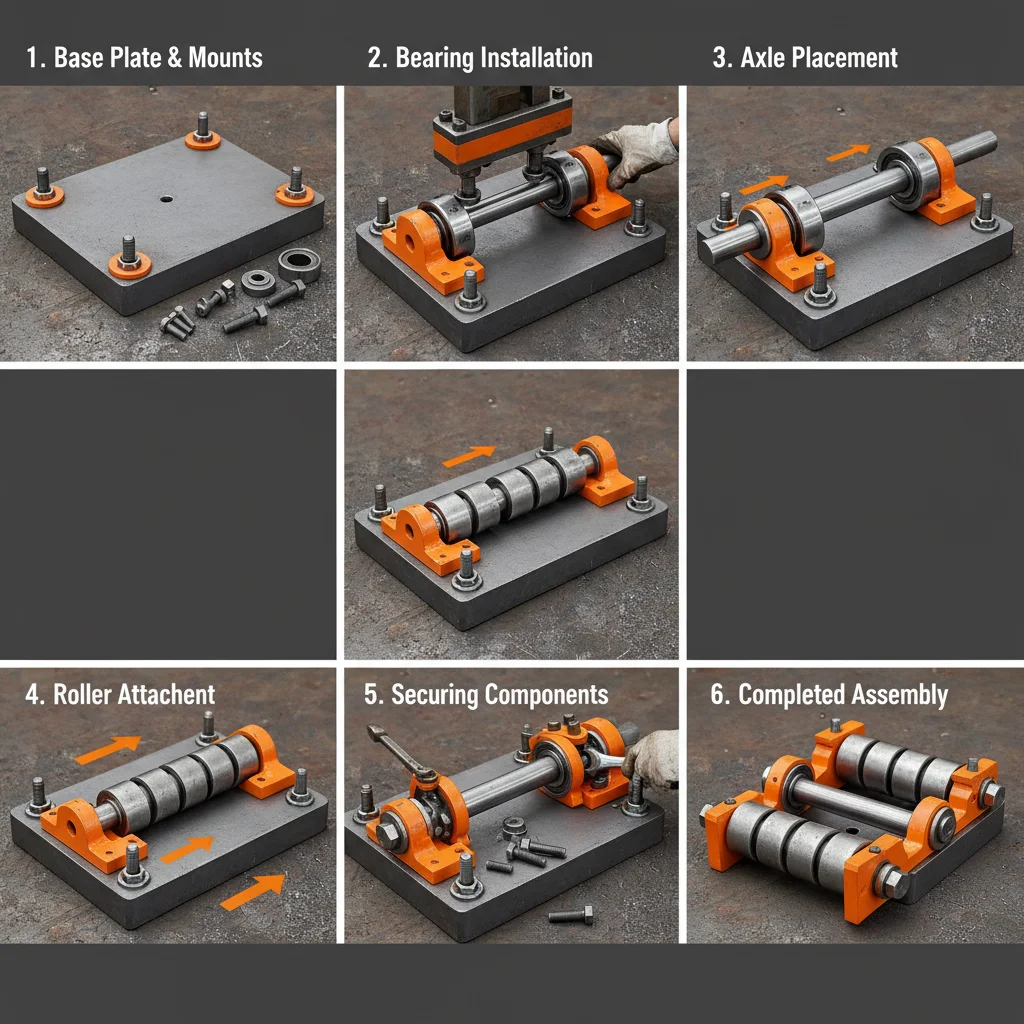
Put simply, excavator track rollers are the wheels beneath the crawler tracks that distribute the machine’s weight evenly and allow smooth motion. Think of them as the foundation stones that absorb shocks and handle friction, so the upper structures don’t jar or falter. Without reliable rollers, mobility decreases sharply, leading to quicker wear and potential breakdowns.
In humanitarian contexts, track rollers contribute indirectly by ensuring machinery can access difficult terrains after natural disasters—like earthquakes or storms—facilitating rescue, rebuilding, and logistical operations. It’s an intersection of mechanical engineering and social impact that doesn’t always get the admiration it deserves.
Core Components and Key Factors Affecting Performance
- Durability: Track rollers face constant pressure and abrasive soil, so hardened steel with high tensile strength is standard. Wear-resistant seals also prevent dirt ingress.
- Load Capacity: They must support thousands of kilograms without deformation, tailored by size and internal bearing design.
- Sealing and Lubrication: Proper seals ensure grease stays inside, prolonging roller life and preventing corrosion.
- Compatibility: Rollers must fit specific excavator models — from mini 10-ton units to gigantic 90-ton behemoths.
- Maintenance Ease: Some designs allow easier servicing or replacement, reducing machine downtime.
- Cost Efficiency: Balancing upfront price with long-term durability influences operational budgets.
Typical Excavator Track Roller Specification
| Specification | Typical Value |
|---|---|
| Material | Heat-treated steel alloy |
| Diameter | 150–300 mm (varies by model) |
| Load Capacity | Up to 2000 kg per roller |
| Seals | Multi-lip seals with grease packed |
| Lubrication Interval | Every 250 hours (maintenance dependent) |
Global Applications & Use Cases: From Urban Landfills to Disaster Relief
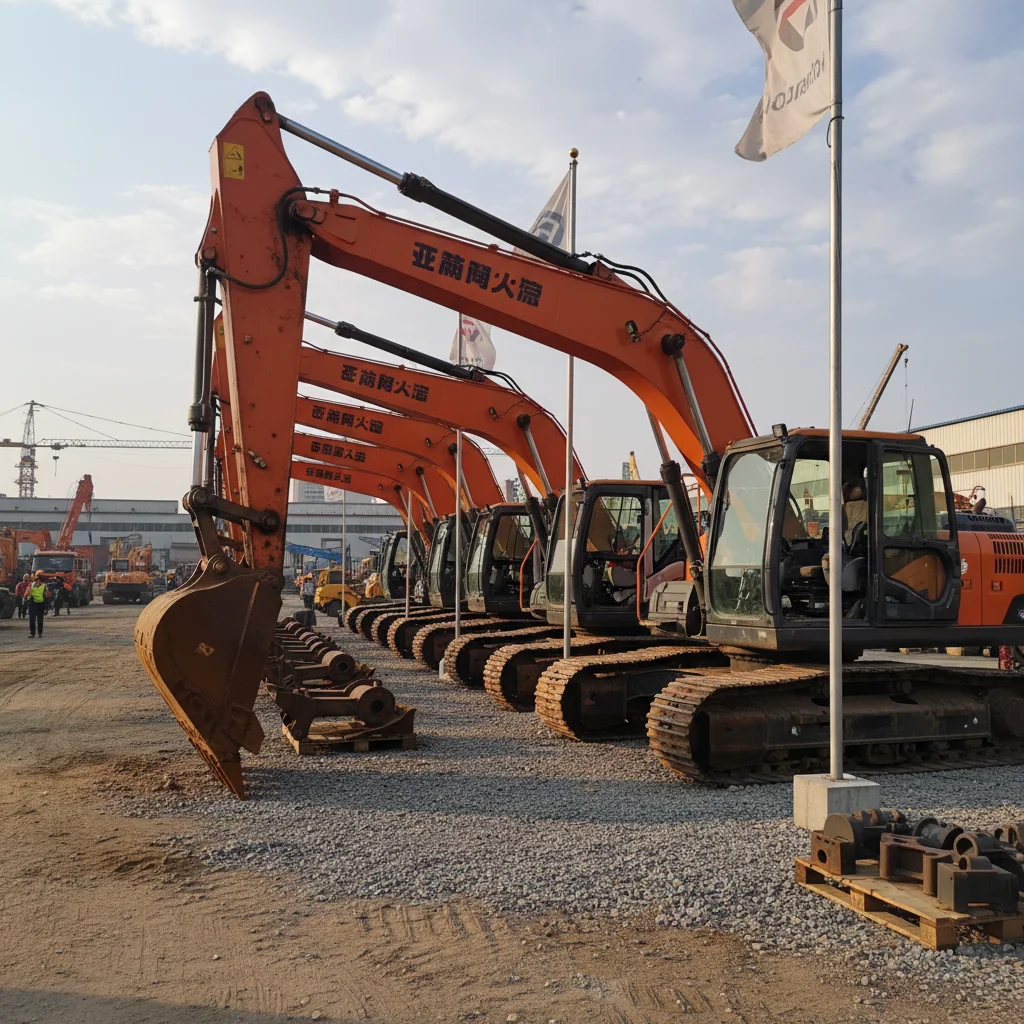
Excavator track rollers have a surprisingly broad footprint. In Southeast Asia, where monsoon seasons create treacherous soft soils, construction companies rely heavily on tracked excavators equipped with the latest rollers to prevent machines from sinking or stalling. In contrast, large mining operations in Australia demand ultra-durable rollers that withstand abrasive rock and dust.
Post-disaster relief efforts, like after the 2011 Japan earthquake, depended on excavators to clear debris quickly and safely access affected areas. Strong track rollers ensured machines kept moving on unstable ground. Similarly, NGOs working in remote African industrial zones benefit from rollers that require minimal maintenance — often a deal-maker in places where supply chains are unreliable.
Excavator track rollers stand at the nexus of these diverse and demanding scenarios.
Advantages & Long-Term Value of High-Quality Track Rollers
- Reliability: Prevents unexpected breakdowns and costly delays.
- Cost Efficiency: Longer lifespan means less frequent replacements.
- Safety: Stable machine movement reduces operator fatigue and accidents.
- Sustainability: Durable rollers reduce waste and environmental footprint.
- Innovation: Advances in materials and design foster better performance under extreme conditions.
Ultimately, investing in better track rollers fosters trust in machinery performance. It feels good knowing your equipment won’t fail when it matters most—the kind of confidence every project manager wants.
Future Trends & Innovations to Watch
The landscape for excavator track rollers is quietly evolving. Advanced alloys and surface treatments are making rollers tougher and more wear-resistant. Meanwhile, digital sensors embedded in rollers can now monitor temperature and wear in real time, feeding data back to maintenance teams to preempt failures.
Environmental concerns push for greener manufacturing processes and recyclable materials—an often overlooked yet important shift. Automation is also creeping in; some excavators adjust track pressure based on terrain data, reducing strain on rollers. The intersection of IoT and heavy machinery means the unglamorous roller is suddenly quite smart.
Challenges & How Industry Experts Are Tackling Them
Despite advances, challenges remain. Track rollers endure harsh conditions—mud, dust, water intrusion—that degrade seals and grease. Unexpected shock loads from uneven terrain can damage bearings. Experts recommend rigorous regular maintenance and using rollers designed for specific environments.
Innovative approaches include new multi-lip seal designs improving dirt exclusion, and advanced lubrication systems extending service intervals. Some companies also offer roller refurbishment programs, which balance cost-saving and performance retention—kind of like a tune-up for heavy machinery.
Frequently Asked Questions About Excavator Track Rollers
- How often should excavator track rollers be inspected or replaced?
- Inspection every 500 hours is common, but heavy usage or harsh conditions may require more frequent checks. Replacement depends on wear and manufacturer recommendations, often around 2000 operating hours.
- Can I use generic track rollers for different excavator brands?
- Not usually. Rollers are model-specific due to size and mounting variations. Using incompatible rollers risks damage and voided warranties.
- What are the signs that track rollers need maintenance?
- Look out for unusual noise, visible wear, leakage around seals, and reduced smoothness in track movement. Ignoring these can lead to bigger mechanical failures.
- Are there eco-friendly track rollers available?
- Yes, manufacturers are starting to use recyclable materials and less toxic lubricants. Innovations in longer-lasting seals reduce waste and lubricants frequency, supporting sustainability goals.
Vendor Comparison: Top Excavator Track Roller Manufacturers
| Vendor | Material Quality | Warranty | Price Range | Key Differentiator |
|---|---|---|---|---|
| Crafts Manufacturing | High-grade heat-treated steel | 2 years | $$$ | Custom fit, excellent customer service |
| Global Rollers Inc. | Standard alloy steel | 1 year | $$ | Competitive pricing, broad availability |
| EcoRollers Ltd. | Recycled and recyclable materials | 1.5 years | $$$ | Sustainability focus, green certifications |
Wrapping Up
In real terms, excavator track rollers might be small parts in giant machines, but their impact is anything but tiny. Durable, efficient rollers mean safer operations, fewer delays, greater savings, and ultimately a more sustainable industry. Whether for a metropolis or a remote site, the value of quality track rollers is clear—and only growing as technology and environmental demands evolve.
Curious to explore more or upgrade your equipment? Feel free to visit our website and see the latest in reliable excavator track rollers.
Mini takeaway: Don't overlook the track rollers—they keep heavy machinery rolling smoothly through the toughest jobs on earth.
References:
1. ISO 20474-1:2020 – earth-moving machinery standards
2. UN World Urbanization Prospects, 2018 Revision
3. Wikipedia contributors, "Excavator," Wikipedia, The Free Encyclopedia
Post time: Dec-07-2025