Understanding Undercarriage Sprockets: A Comprehensive Guide
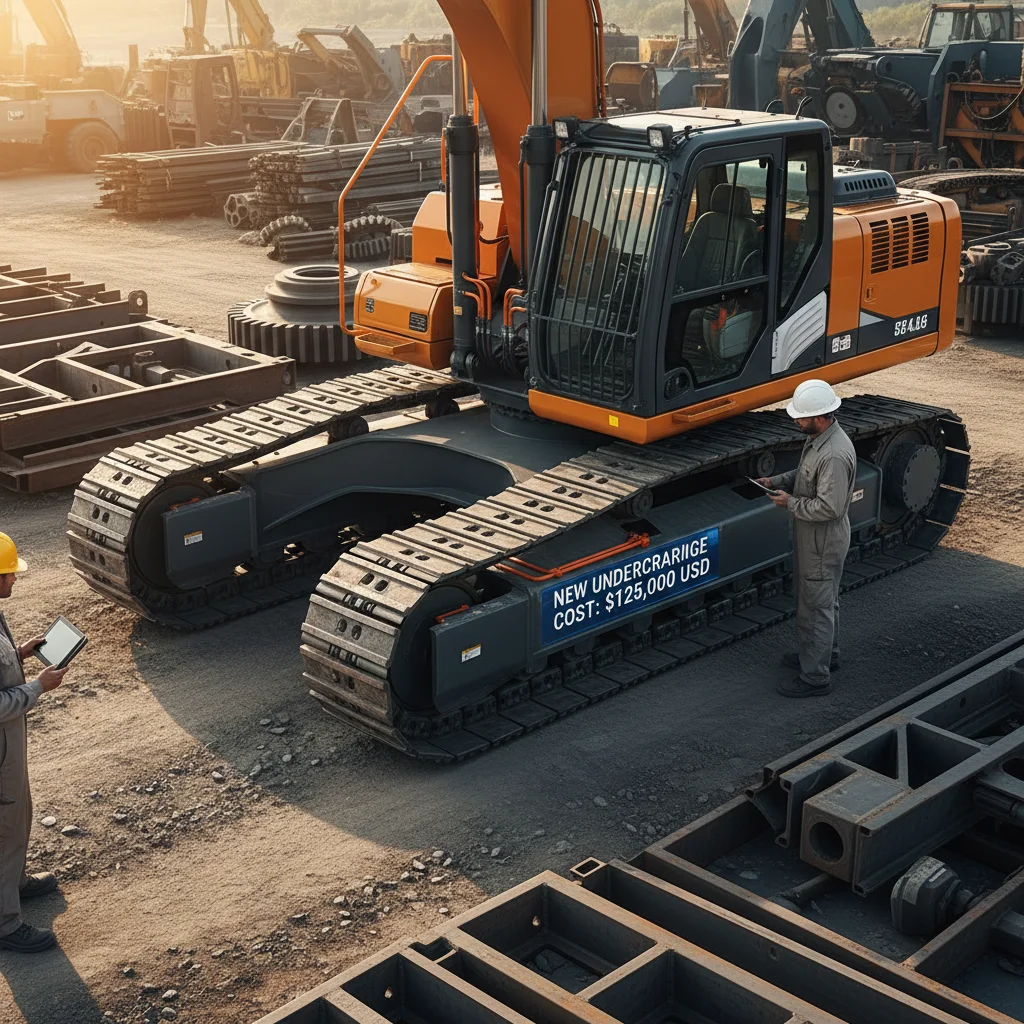
Undercarriage sprockets are critical components of heavy machinery like excavators, bulldozers, and cranes. They are essential for efficient and reliable operation, transferring power from the drive motor to the tracks. Selecting the right undercarriage sprocket is paramount for maximizing performance and minimizing downtime. This article will delve into the functions, types, maintenance, and factors to consider when choosing a sprocket, providing valuable insights for professionals in the construction and heavy equipment industries.
The Role of Undercarriage Sprockets
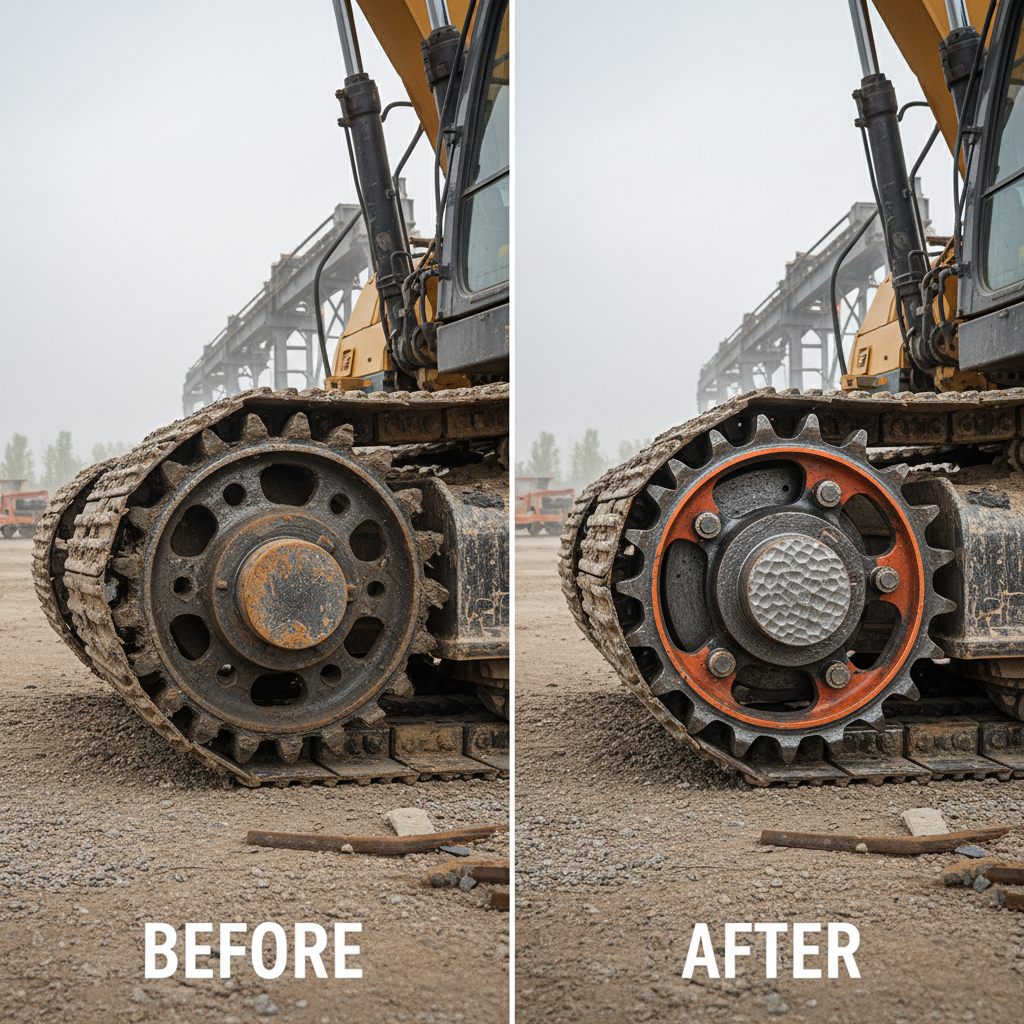
The primary function of an undercarriage sprocket is to engage with the track links, providing the driving force that propels the machine forward or backward. They are subject to immense stress and wear due to the constant friction and impact forces involved in operation. A failing sprocket can lead to track slippage, reduced efficiency, and ultimately, costly repairs. Furthermore, sprockets play a vital role in maintaining track tension and guiding the track around the machine. Regular inspection and timely replacement of worn sprockets are key to preventing larger issues and ensuring the longevity of the undercarriage system. At Crafts-Mfg, we understand the importance of durable and reliable sprockets for peak performance.
Key Functions: Driving force transmission, track engagement, maintaining track tension, and guiding track movement.
Types of Undercarriage Sprockets
Undercarriage sprockets come in various designs tailored to different machine types and applications. Common types include:
- Rim Sprockets: Feature a solid rim with teeth cut into it, offering high durability.
- Center Sprockets: Have teeth machined directly onto a central hub, often found in smaller machines.
- Segmented Sprockets: Comprised of multiple segments bolted together, allowing for easier replacement of worn sections.
- Full Sprockets: Designed for heavy duty applications with a solid and robust structure.
The selection of the appropriate sprocket type depends on factors such as machine size, operating conditions, and desired lifespan. Crafts-Mfg provides a comprehensive range of sprocket types to meet diverse needs.
Sprocket Type Overview:
• Rim Sprockets: High durability, solid rim.
• Center Sprockets: For smaller machines, teeth on central hub.
• Segmented Sprockets: Easy replacement of worn segments.
• Full Sprockets: Heavy-duty applications, robust structure.
Undercarriage Sprocket Materials & Durability
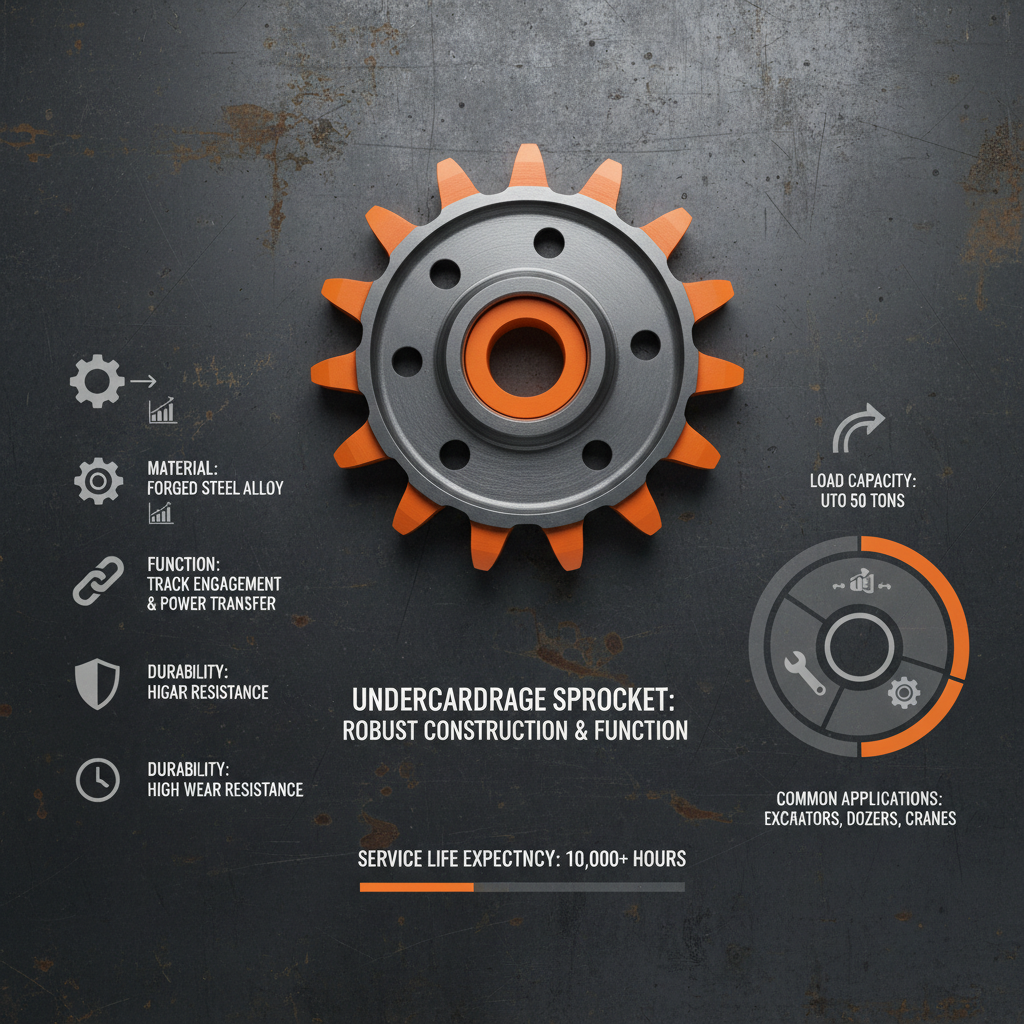
Sprockets are typically manufactured from hardened steel alloys to withstand the extreme conditions of operation. The choice of material significantly impacts the sprocket's durability and resistance to wear. Alloys containing chromium, molybdenum, and nickel are commonly used for their enhanced strength and toughness. Heat treatment processes, such as hardening and tempering, are employed to further optimize the material properties. Crafts-Mfg uses only the highest quality materials to ensure our sprockets deliver long-lasting performance.
Maintaining Your Undercarriage Sprockets
Regular maintenance is essential for maximizing the lifespan of your undercarriage sprockets. This includes:
- Visual Inspections: Regularly check for signs of wear, such as chipped teeth, cracks, or excessive play.
- Lubrication: Proper lubrication reduces friction and wear, extending the sprocket's life.
- Track Tension Adjustment: Maintaining correct track tension prevents excessive stress on the sprockets.
- Cleaning: Remove dirt, debris, and contaminants that can accelerate wear.
Addressing minor issues promptly can prevent them from escalating into major problems. Crafts-Mfg offers expert advice and resources to help you maintain your undercarriage system effectively.
Choosing the Right Sprocket: Key Considerations
Selecting the appropriate undercarriage sprocket requires careful consideration of several factors:
- Machine Type: Different machines require different sprocket designs.
- Operating Conditions: Consider the terrain, load, and environmental factors.
- Track Type: Ensure the sprocket is compatible with the track link design.
- Budget: Balance cost with quality and durability.
Partnering with a reputable supplier like Crafts-Mfg can ensure you receive expert guidance and high-quality products tailored to your specific needs.
Conclusion: Investing in Quality Sprockets
Investing in high-quality undercarriage sprockets is a crucial step in ensuring the reliability and longevity of your heavy machinery. Proper selection, maintenance, and timely replacement of worn components can significantly reduce downtime and operating costs. At Crafts-Mfg, we are committed to providing durable, reliable sprockets and expert support to help you maximize your investment. Don't compromise on quality – choose Crafts-Mfg for all your undercarriage needs.
Frequently Asked Questions (FAQs)
How often should I inspect my undercarriage sprockets?
Regular inspections are crucial for preventing major issues. Ideally, you should visually inspect your sprockets daily or before each use, paying close attention to the teeth for signs of wear like chipping or bending. A more thorough inspection, including checking track tension and lubrication, should be conducted at least every 50-100 hours of operation, or as recommended by your equipment manufacturer. Ignoring minor wear can lead to accelerated degradation and costly repairs. Keeping a maintenance log can help track inspection intervals and identify potential problems early on.
What are the signs that an undercarriage sprocket needs to be replaced?
Several signs indicate the need for sprocket replacement. These include chipped, cracked, or excessively worn teeth. Also, observe any noticeable slippage of the tracks, increased noise during operation, or difficulty maintaining proper track tension. If you detect any of these issues, it’s imperative to stop operation immediately and inspect the sprockets. Continuing to use a damaged sprocket can cause further damage to the tracks and other undercarriage components, leading to a more expensive repair.
Can using the wrong type of sprocket damage my machine?
Yes, using an incorrect sprocket type can significantly damage your machine. Mismatched sprocket designs can lead to improper track engagement, excessive wear on the tracks and other undercarriage components, and reduced performance. For example, using a sprocket not designed for the load or terrain can lead to premature failure and costly repairs. Always consult your machine's manufacturer specifications or a qualified undercarriage specialist to ensure you select the correct sprocket type for your application.
What is the importance of track tension in relation to sprocket wear?
Proper track tension is paramount in minimizing sprocket wear. Excessive tension places undue stress on the sprockets, tracks, and other undercarriage components, leading to premature failure. Conversely, insufficient tension causes the tracks to slip, resulting in rapid sprocket wear and potential damage to the drive system. Regularly checking and adjusting track tension according to the manufacturer's recommendations is essential for maximizing the lifespan of your undercarriage system.
Post time: Mar-05-2026